A tea amino acid
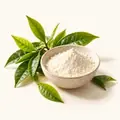
L-theanine is an amino acid found almost only in tea leaves and a few mushrooms. It crosses into the brain and is studied for a relaxed-but-alert state, often in combination with caffeine, where it may soften jitteriness. ShapeTonic lists it last in its blend, so it is the smallest of the four parts.
What studies show
A randomised controlled trial in healthy Japanese adults found that daily L-theanine improved some stress-related symptoms, sleep quality and cognitive measures compared with placebo over several weeks (Hidese et al., 2019). Studies like this typically use 100-400 mg a day. None measured weight. Theanine’s role in ShapeTonic is about how the caffeine feels, not about fat.
How much could ShapeTonic contain?
Because it is last in a 700 mg blend, theanine is at most 175 mg (if all four were equal) and could be far less. Brewed tea provides roughly 10-30 mg a cup. So a scoop may provide somewhere between a cup or two of tea and a lower study dose. See The 700 mg blend, explained.
Safety
L-theanine is generally well tolerated. It could, in theory, add to blood-pressure-lowering or sedative medicines, so check with a pharmacist if you take them (NCCIH). It will not cancel the effects of large amounts of caffeine; if coffee makes you anxious, the answer is less coffee. Read Coffee & caffeine stacking.
Theanine and sleep
Some people take theanine at night for sleep, but ShapeTonic is a morning product with caffeine sources, so it is the wrong vehicle. For the sleep-craving link, see Sleep and cravings.

Considering ShapeTonic? Two jars are $158 plus shipping; six are $294 ($49 each) with free US shipping and three bonus guides. Only unopened jars can be refunded, and the caffeine content isn’t stated, so read the safety guide first.
Order ShapeTonic From $49/JarQuestions
Does L-theanine cause drowsiness?
Usually not at typical doses; it is studied for relaxed alertness.
Does theanine help weight loss?
No study has shown it does; it is in ShapeTonic for the calm-energy claim.