What it is
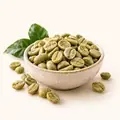
Green coffee is simply coffee beans before roasting. Roasting breaks down much of their chlorogenic acid, the polyphenol that supplement makers say slows carbohydrate absorption and nudges fat metabolism. Extracts are usually standardised to a percentage of chlorogenic acids and still contain some caffeine unless decaffeinated (ODS). ShapeTonic lists green coffee extract second in its 700 mg blend, with no standardisation or caffeine figure.
The evidence, honestly
A 2011 systematic review and meta-analysis found only three eligible randomised trials. Pooled, they suggested about 2.5 kg more loss than placebo, but the authors stressed that all three had serious methodological weaknesses and called for better studies (Onakpoya et al., 2011). The ODS fact sheet summarises the same picture: the trials were of poor quality, short and small, and the effect, if real, is modest (ODS).
The doses tested were mostly 180-200 mg of extract a day. ShapeTonic could reach that if green coffee were a large part of its blend, but the label doesn’t let you check.
The study that collapsed
Green coffee’s fame came from a small 2012 study that went viral on television. In 2014 the Federal Trade Commission charged the supplier that paid for it, Applied Food Sciences, with using a “seriously flawed” study; the company agreed to pay $3.5 million. The FTC said the lead investigator repeatedly altered weights and other key measurements and changed the length of the trial, and that subjects had been told to diet and exercise (FTC). The paper was later retracted. Full story: The green coffee bean scandal.
Side effects
Reported effects are mostly caffeine effects: jitteriness, headache, fast heartbeat and poor sleep, plus occasional stomach upset (ODS). Because ShapeTonic is often stirred into coffee, the caffeine from green coffee extract stacks on top of the cup itself. The FDA’s 400 mg daily reference for healthy adults covers all sources together (FDA).
Bottom line
Green coffee extract is unlikely to hurt a healthy adult in moderate amounts, and unlikely to change your weight much. Its marketing history is a good reason to read every “clinically proven” claim with care; see Weight-loss powder red flags.
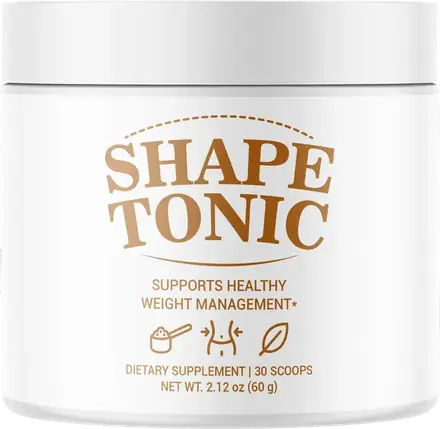
Considering ShapeTonic? Two jars are $158 plus shipping; six are $294 ($49 each) with free US shipping and three bonus guides. Only unopened jars can be refunded, and the caffeine content isn’t stated, so read the safety guide first.
Order ShapeTonic From $49/JarQuestions
Does green coffee extract contain caffeine?
Yes, usually some, unless it is decaffeinated. ShapeTonic doesn’t state which form it uses.
Is green coffee extract proven for weight loss?
No. Three small, poor-quality trials, and one high-profile study was retracted.